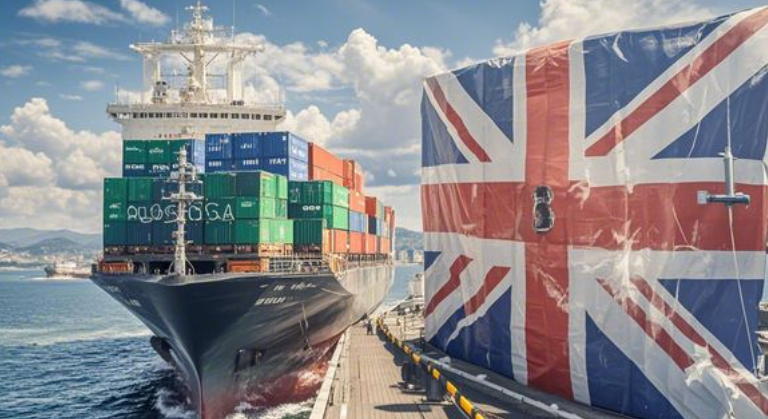
Shipping from China to Canada : Air & Sea rates and transit time : Q1
Logistics Shipping From China to Canada: What You Need to Know
When it comes to logistics and shipping from China to Canada, businesses and individuals alike need to understand the various factors that can impact shipping costs, transit times, and the overall process. As one of the world’s largest exporters, China plays a key role in global supply chains, and shipping to Canada is an essential part of trade between the two countries. Whether you're importing goods for personal use, running a business, or working with a supplier in China, understanding the logistics involved can help you plan more effectively and reduce costs.

In this article, we’ll cover the different types of shipping options, the costs involved, how to navigate customs, and tips for optimizing your logistics when shipping from China to Canada.
1. Overview of Shipping from China to Canada
Shipping from China to Canada is a major logistical operation that involves multiple steps, from picking up goods in China to delivering them to the final destination in Canada. Canada’s diverse geography and large size mean that there are many different factors to consider when shipping, including the port of entry, the type of goods, and the time of year.
China and Canada share a strong trade relationship, with China being one of Canada’s largest trading partners. The shipping process typically begins with the seller in China packing and preparing the goods for shipment, followed by transportation to a port for international shipping.
2. Different Shipping Options
When it comes to shipping from China to Canada, there are several options available, each with its advantages and disadvantages. The most common methods are sea freight, air freight, and rail freight. Let’s take a closer look at each option:
Sea Freight
Sea freight is the most cost-effective and common method for shipping large quantities of goods over long distances. This is ideal for businesses that are importing bulk goods or products with a longer shelf life. Sea freight offers two main options:
Full Container Load (FCL): FCL means that you rent an entire shipping container for your goods. This is the most efficient method for large shipments, and it’s more cost-effective for businesses with enough volume to fill a container.
Less than Container Load (LCL): LCL means that you share a container with other shipments. This is a good option for smaller shipments or businesses that don’t have enough goods to fill a container. While more affordable than FCL for small loads, LCL can be slower because your goods have to wait for other shipments to fill the container.
Shipping from China to major Canadian ports like Vancouver, Montreal, and Toronto typically takes between 20 to 45 days, depending on the specific route and whether the goods are being shipped by FCL or LCL.
Air Freight
Air freight is faster but more expensive than sea freight. It’s the best option for time-sensitive shipments or high-value goods that need to arrive quickly. Air freight shipping times between China and Canada typically range from 4 to 7 days, but this speed comes at a higher cost.
Air freight is typically used for smaller shipments or goods that are particularly valuable or fragile. For businesses that rely on just-in-time inventory, air freight is essential for keeping supply chains moving smoothly.
Rail Freight
Rail freight is a less commonly used method but has been growing in popularity due to its cost-effectiveness and speed compared to sea freight. Rail freight from China to Canada typically takes about 15 to 20 days, depending on the route.
The rail network between China and Canada is connected through the China-Europe Railway Express, which travels through countries like Russia and Kazakhstan before entering Canada. This option is primarily used for bulk shipments and is a good alternative when sea freight is too slow but air freight is too expensive.
Courier Services
For small shipments or urgent deliveries, courier services like FedEx, DHL, and UPS offer expedited international shipping. These services are ideal for documents, samples, or small packages. Shipping times generally range from 3 to 5 business days, but costs are significantly higher compared to traditional freight methods.
3. Shipping Costs
The cost of shipping from China to Canada depends on several factors, including the shipping method, the size and weight of the goods, the specific ports, and any additional services required, such as customs clearance, insurance, or special handling. Below is an overview of the potential costs:
Sea Freight Costs
Full Container Load (FCL): The cost for FCL shipping can range between $2,000 and $6,000 per container, depending on the type of container (20-foot vs. 40-foot) and the route.
Less than Container Load (LCL): For LCL shipments, the cost can range from $100 to $500 per cubic meter, depending on the volume of goods and the destination.
Air Freight Costs
Standard Air Freight: Air freight rates can vary significantly based on the weight and size of the shipment, as well as the route. Generally, air freight from China to Canada costs between $5 to $10 per kilogram for standard shipments. However, express services or expedited shipping can cost significantly more.
Rail Freight Costs
Rail freight is generally cheaper than air freight but faster than sea freight. The cost of rail shipping typically falls between $1,500 and $3,000 per container, depending on the specifics of the shipment.
Additional Costs
Insurance: It’s highly recommended to insure valuable or fragile items when shipping internationally. The cost of insurance is typically around 0.5% to 2% of the total value of the goods.
Customs Fees and Taxes: Importing goods into Canada involves customs duties, taxes, and processing fees. These can vary depending on the type of goods being imported. Canada charges a Goods and Services Tax (GST) of 5% on most goods, and duties can range from 0% to 20% based on the product category.
Fuel Surcharges: Freight companies often add fuel surcharges, which fluctuate depending on the global price of fuel. These fees are typically added to the base cost of shipping and can vary month to month.
4. Customs Procedures in Canada
Customs clearance is one of the most important aspects of shipping from China to Canada. All goods entering Canada are subject to inspection and must meet the country’s import regulations. Here are the basic steps involved in customs clearance:
Provide Accurate Documentation: You will need to provide the proper documentation, including the commercial invoice, bill of lading, packing list, and any required permits or certificates. These documents help customs officials determine the correct duty and taxes for your shipment.
Pay Duties and Taxes: Once your goods arrive at the Canadian port, they will go through customs clearance. You will need to pay any applicable duties, taxes, and fees before your goods can be released. Be sure to consult the Canadian Customs Tariff to determine the duty rates for your specific product category.
Customs Inspection: In some cases, customs officials may choose to inspect your goods, especially if they are high-risk or if there are discrepancies in the documentation. Inspections can delay the release of goods, so it’s important to ensure all paperwork is accurate and complete.
Delivery to Final Destination: After clearing customs, your goods will be transported to their final destination in Canada. This can involve further transportation by truck, rail, or air, depending on the final address.
5. Tips for Optimizing Shipping from China to Canada
Plan Ahead: Shipping times can vary, so always allow enough time for customs clearance, potential delays, and the actual shipping transit. For urgent shipments, consider using air freight, but be prepared for the higher costs.
Choose the Right Shipping Method: If cost is a primary concern, sea freight is the most affordable option for large shipments, but if speed is more important, air freight may be worth the extra investment.
Work with a Freight Forwarder: Freight forwarders can help streamline the shipping process by coordinating with carriers, handling customs clearance, and ensuring that your goods arrive on time. This can save you time and reduce stress.
Consolidate Shipments: If you frequently import from China to Canada, consider consolidating smaller shipments into larger ones to save on shipping costs. Consolidation can help you take advantage of bulk pricing and reduce overall expenses.
Conclusion
Shipping from China to Canada is a multi-step process that requires careful planning and knowledge of the various logistics options available. Whether you are a business owner, importer, or an individual looking to bring goods into Canada, understanding the costs, methods, and customs procedures is essential to ensure a smooth and cost-effective shipping experience.
By choosing the right shipping method, working with experienced logistics providers, and carefully navigating customs, you can optimize your shipping process and avoid unnecessary delays and expenses.