
Product Shipping Ali Baba To FBA | From China To Amazon | Bilal Ahmad
Logistics Shipping From China to United Kingdom: A Comprehensive Guide
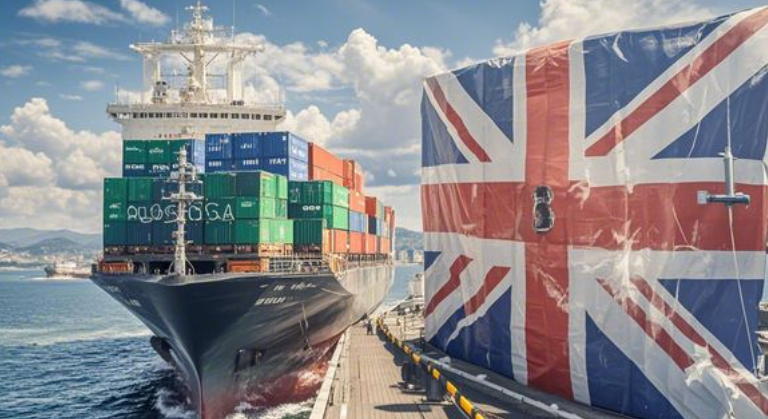
Shipping goods from China to the United Kingdom (UK) is a critical part of international trade. Whether you are a business importing products, a logistics professional, or an individual looking to understand the process, navigating the complexities of logistics, costs, and timelines can be daunting. In this guide, we will provide a detailed breakdown of the logistics involved in shipping from China to the UK, including shipping methods, costs, customs procedures, and tips for optimizing your logistics strategy.
1. Understanding the Basics of Shipping From China to the UK
China and the UK maintain a robust trade relationship, making shipping between the two countries essential for global commerce. The logistics process involves multiple steps, from the initial stages of picking up goods in China to final delivery in the UK.
The main ports of entry into the UK include London, Southampton, Liverpool, and Felixstowe. The type of goods, volume, time constraints, and shipping costs will all influence the choice of the best logistics solution for your needs.
Shipping from China typically involves air freight, sea freight, or rail freight, depending on factors like the size and urgency of the shipment.
2. Common Shipping Methods from China to the UK
Sea Freight
Sea freight is the most common and cost-effective method for shipping large quantities of goods from China to the UK. It is ideal for bulk shipments and non-urgent deliveries. Sea freight comes in two main forms:
Full Container Load (FCL): This option involves renting an entire container, typically either a 20-foot or 40-foot container. FCL is more economical for large volumes of goods and reduces the risk of delays as you don't have to wait for other shipments to fill the container.
Less than Container Load (LCL): If your goods don’t fill a full container, LCL allows you to share a container with other shipments. While this option is more affordable for smaller loads, it typically takes longer because it requires more time to consolidate and deconsolidate shipments.
The average transit time for sea freight from China to the UK is between 25 and 40 days, depending on the port of departure in China and the destination in the UK. Major ports in China like Shanghai, Shenzhen, and Ningbo are commonly used for sea shipments.
Air Freight
Air freight is a faster, though more expensive, option for shipping goods from China to the UK. It is ideal for high-value or time-sensitive shipments. With air freight, goods typically arrive in 4 to 7 days.
Air freight costs are significantly higher than sea freight due to the speed and convenience it offers. This method is most often used for goods that need to reach the UK quickly, such as electronics, medical supplies, or fashion items.
Rail Freight
Rail freight has gained popularity in recent years, thanks to the development of the China-Europe Railway Express. This service links Chinese cities like Chongqing and Yiwu with the UK, providing an alternative to both air and sea freight.
Rail freight offers a balance of cost and speed, with typical transit times of around 15 to 20 days. It is an attractive option for businesses that need a faster alternative to sea freight but cannot afford the high costs of air freight. Rail freight is more environmentally friendly and generally cheaper than air freight, but still faster than traditional sea freight.
Courier Services
For small shipments, courier services such as FedEx, DHL, and UPS provide an expedited delivery solution. Shipping times with these services are generally 3 to 5 business days, depending on the nature of the shipment. However, courier services are usually best suited for documents, small parcels, or high-priority shipments.
3. Shipping Costs: How Much Does It Cost to Ship From China to the UK?
Shipping costs from China to the UK vary based on several factors, including the size of the shipment, the method of transport, and the port of entry. Below is a breakdown of the estimated costs for each shipping method:
Sea Freight Costs
Full Container Load (FCL):
A 20-foot container typically costs between $2,500 and $5,000, depending on the shipping route, season, and type of goods.
A 40-foot container typically costs between $4,000 and $7,000.
Less than Container Load (LCL):
LCL shipping costs range from $150 to $500 per cubic meter (CBM), depending on the goods and destination.
Air Freight Costs
Air freight costs from China to the UK range from $5 to $10 per kilogram, depending on the shipment’s size, weight, and urgency. For time-sensitive items or high-value products, air freight may be the best option despite the higher costs.
Rail Freight Costs
Rail freight from China to the UK costs between $2,000 and $4,000 per container. This can vary based on the route, season, and specific requirements.
Courier Services
For smaller shipments, express courier services can cost between $50 and $300 for a small parcel weighing between 1 to 5 kg. Larger or heavier shipments may incur additional costs.
In addition to the base shipping costs, businesses should account for additional expenses such as insurance, customs duties, and fuel surcharges.
4. Customs and Import Duties in the UK
Every shipment entering the UK is subject to customs clearance. Proper documentation and understanding of the UK's import duties and taxes are essential to avoid delays or extra charges. Here’s what you need to know:
Customs Documentation
Commercial Invoice: This document provides the details of the goods, including their value, description, and the seller’s information.
Packing List: Lists the contents of the shipment, ensuring that all items are accounted for.
Bill of Lading: A contract between the shipper and the shipping company.
Certificate of Origin: For goods that qualify for preferential tariff treatment under trade agreements (e.g., China-UK trade agreements).
Customs Duties and Taxes
The UK applies customs duties and VAT (Value Added Tax) to imported goods.
Customs Duty: Customs duties depend on the type of goods being imported. The rate can vary from 0% to 20%, with some goods qualifying for exemptions or reduced rates under trade agreements.
VAT: The UK applies a 20% VAT to most goods imported into the country. VAT is charged on the cost of the goods, shipping, and insurance.
Customs Processing Fees
There may also be additional fees for customs clearance and processing. These fees are typically between £10 and £30 per shipment but can vary depending on the customs broker and the complexity of the shipment.
5. Tips for Optimizing Your Shipping Process
Shipping from China to the UK can be complicated, but there are several strategies you can use to optimize your logistics process and reduce costs:
Plan Ahead
Start planning your shipment well in advance to avoid last-minute delays or unexpected costs. Ensure that all customs documentation is accurate and up-to-date to prevent any holdups at the border.
Choose the Right Shipping Method
Selecting the best shipping method depends on the urgency and nature of your shipment. For bulk goods with no time constraints, sea freight may be the best option. For high-value or time-sensitive shipments, air freight can be a better solution, albeit at a higher cost.
Work with a Freight Forwarder
Freight forwarders can help streamline the process by coordinating with shipping lines, customs brokers, and carriers. They can also provide advice on the best shipping methods and help ensure that all paperwork is in order.
Consolidate Shipments
If you are importing goods from multiple suppliers in China, consider consolidating shipments into one container to reduce costs. This is especially useful for smaller shipments that don’t fill an entire container.
Consider Using Rail Freight
For medium-sized shipments that need to be delivered faster than sea freight but are not as urgent as air freight, rail freight offers a great compromise. It’s cheaper than air freight and more sustainable than shipping by sea.
6. Conclusion
Shipping from China to the UK is an essential aspect of global trade, and understanding the various logistics options, costs, and customs procedures can help businesses make informed decisions. Whether you're looking for cost-effective solutions with sea freight, faster delivery with air freight, or an efficient middle ground with rail freight, there are multiple choices available depending on your needs.
By planning ahead, selecting the right shipping method, working with freight forwarders, and optimizing your shipping strategy, you can ensure smooth, cost-effective, and timely deliveries from China to the UK. With the right approach, your international shipping process can be streamlined, helping your business maintain a competitive edge in today’s global economy.


