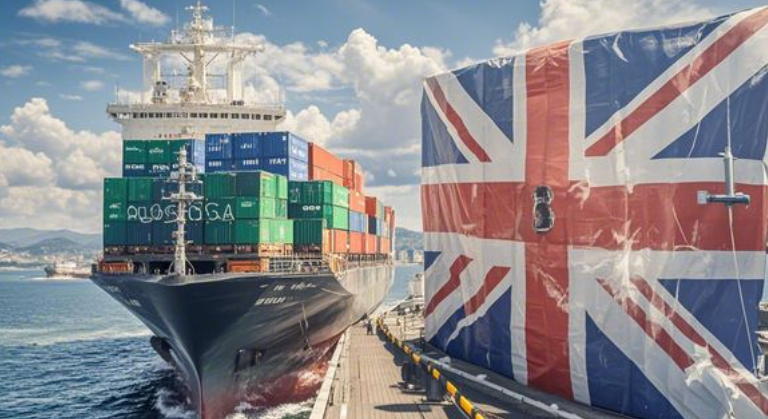
3 things you must know before shipping from China
Logistics Shipping from China to Germany: Profit Calculation for Freight Trucking Companies

Introduction
In the competitive world of logistics and freight transportation, understanding profit calculations is critical for freight trucking companies. The transportation industry involves several complex factors that influence profits, including shipping routes, operational costs, market dynamics, and more. This article provides a comprehensive look at how freight companies, especially those involved in logistics shipping from China to Germany, calculate their profits. By focusing on revenue generation, cost management, tax considerations, and other influencing factors, we will break down the essential elements of profit calculation, profit margins, and strategies to increase profitability.
1. Basic Profit Calculation for Freight Trucking Companies
Understanding how profit is calculated is crucial for any logistics company, especially those operating in international shipping like between China and Germany. The basic calculation involves the following key components:
Revenue
Revenue is the first element in profit calculation. For freight trucking companies, revenue primarily comes from transporting goods. This can be broken down into two categories:
Transportation Revenue: This is the money earned by the company after completing a transport task, which is typically based on the distance traveled, weight of the cargo, and any additional services provided (e.g., expedited delivery, specialized handling).
Other Business Revenue: In addition to transportation, many companies also offer related services such as packaging, customs clearance, warehousing, and logistics consulting. These additional services contribute to overall business revenue.
For a trucking company specializing in logistics shipping from China to Germany, these revenues are determined by factors like shipping volume, frequency of deliveries, and market rates for international freight.
Costs
Cost calculation is the second most important element in determining profitability. These costs can be divided into several categories:
Operating Expenses: These include the direct costs of running the trucking operations, such as fuel, vehicle maintenance, and driver salaries. Given that shipping from China to Germany often involves long distances, fuel costs are significant.
Indirect Costs: Indirect costs refer to overhead expenses such as office rent, management salaries, insurance, and technology investments (e.g., GPS tracking, dispatch software).
Financial Costs: These encompass interest payments on loans, leasing costs for vehicles, and other financial obligations that must be accounted for in the company’s budget.
For a company engaged in international shipping, such as trucking from China to Germany, customs fees and other international logistics expenses will also contribute to these costs.
Taxes
Freight trucking companies must also consider taxes, which can significantly affect profitability. Key taxes include:
Sales Tax: Depending on the country, there may be sales tax or VAT (Value Added Tax) applicable on the transport services provided.
Corporate Taxes: The company’s net income, after expenses, will be subject to corporate taxation. Understanding the applicable tax rates in both China and Germany is essential for profit calculation.
Profit Calculation Formula
The profit calculation for trucking companies can be summarized with the following formula:
Operating Profit = Operating Revenue - Operating Costs - Taxes
Net Profit = Operating Profit - Other Expenses (e.g., financial costs) - Additional Taxes
For companies that are involved in international logistics, this process becomes more complex due to fluctuating currency exchange rates and varying tax policies between countries.
2. Profit Margins and Typical Ranges
Profit margins in the logistics and freight industry can vary significantly depending on the type of service, distance, and operational efficiency. In general, the profit margin in the freight trucking industry typically falls between 15% and 25%, while the gross profit margin can range from 20% to 50%.
Gross Profit Margin: This is the percentage of revenue remaining after subtracting the direct costs of delivering the service (fuel, truck maintenance, etc.). A higher gross margin indicates a more efficient operation.
Net Profit Margin: This percentage reflects the overall profitability after all expenses, taxes, and other financial obligations have been deducted. A well-managed freight company can achieve a high net margin, even in a competitive market like logistics between China and Germany.
While these are general guidelines, actual profit margins can vary based on factors such as route efficiency, demand for services, and competition in the market.
3. Factors Affecting Profit in Freight Shipping from China to Germany
Several external and internal factors influence the profitability of freight trucking companies involved in international shipping. These include:
1. Market Competition
In international logistics, competition plays a major role in determining the pricing structure and overall profitability. Companies engaged in logistics shipping from China to Germany often face competition from other freight carriers, as well as air freight services, which can influence pricing. Moreover, shifts in global trade, tariffs, and policies can further intensify competition.
2. Freight Volume and Demand
The volume of freight being transported has a direct impact on profitability. A higher volume of cargo increases revenue, but it may also lead to higher operational costs. Effective management of freight volume, such as optimizing shipping schedules and reducing empty truck runs, can improve profitability.
3. Shipping Distance and Route Efficiency
The distance between the origin and destination (in this case, China and Germany) affects fuel costs, driving time, and the need for stopovers. The longer the distance, the higher the costs involved. However, efficient route planning can minimize costs and time, leading to improved profitability. Companies involved in international logistics often use software tools to optimize routes, considering traffic conditions, border crossing times, and fuel stops.
4. Transport Mode (Land, Sea, Air)
Though the primary focus here is on trucking, freight companies in international logistics often use multimodal transport (a combination of land, sea, and air) to improve efficiency and reduce costs. When trucking from China to Germany, companies may combine ocean freight with trucking to cover the inland leg of the journey, which can reduce costs and improve delivery times.
5. Currency Exchange Rates
Freight companies operating internationally must deal with currency exchange fluctuations between China and Germany. Exchange rate volatility can impact the final cost of services, as costs may be paid in one currency but revenues in another. Managing these risks through hedging or currency contracts is a common practice among logistics companies.
6. Regulations and Tariffs
Both China and Germany have specific regulations and tariffs that govern international shipping. These can affect shipping times, documentation requirements, and additional fees. Understanding and complying with both countries' regulatory environments is crucial to maintaining profitability.
4. Strategies to Improve Profitability in Freight Shipping
To increase profits, freight companies operating between China and Germany can focus on several strategies:
1. Service Quality Enhancement
By offering superior customer service, such as timely delivery, clear communication, and tracking services, companies can build loyalty and increase their repeat business. A good reputation can justify premium pricing, which directly impacts profitability.
2. Cost Optimization
Efficiently managing costs is one of the most effective ways to boost profitability. Strategies for cost optimization include:
Fuel Efficiency: By optimizing routes and maintaining vehicles to improve fuel efficiency, companies can significantly reduce operational costs.
Driver Training: Ensuring that drivers are well-trained in safe and efficient driving practices can lead to lower maintenance costs and fewer accidents.
Technology Integration: Implementing advanced logistics software and telematics systems can help companies track their trucks, monitor fuel consumption, and streamline operations.
3. Expanding Services
Freight companies can increase profits by diversifying their offerings. This might involve expanding into new markets or offering additional services such as warehousing, packaging, or customs brokerage, all of which can increase revenue per customer.
4. Competitive Pricing and Flexible Contracts
In competitive markets, offering flexible pricing options and contracts can help attract more business. A mix of long-term contracts with stable clients and competitive pricing for new customers can lead to sustained profitability.
5. Investment in Sustainable Practices
With growing concerns about environmental sustainability, many logistics companies are exploring green alternatives, such as using electric trucks or offering carbon offset programs. While the initial investment may be high, such measures can lead to long-term cost savings and attract environmentally-conscious clients, improving profit margins.
Conclusion
Freight trucking companies involved in logistics shipping from China to Germany face a range of challenges and opportunities when it comes to calculating and maximizing profitability. By focusing on revenue management, cost control, and market factors, companies can optimize their operations for greater financial success. Understanding the components of profit—such as operating revenue, costs, and taxes—and the external factors that influence them, is essential for developing strategies to increase profitability. With efficient management and a focus on service quality, trucking companies can thrive in the competitive logistics industry, turning profit calculations into a strategic advantage.