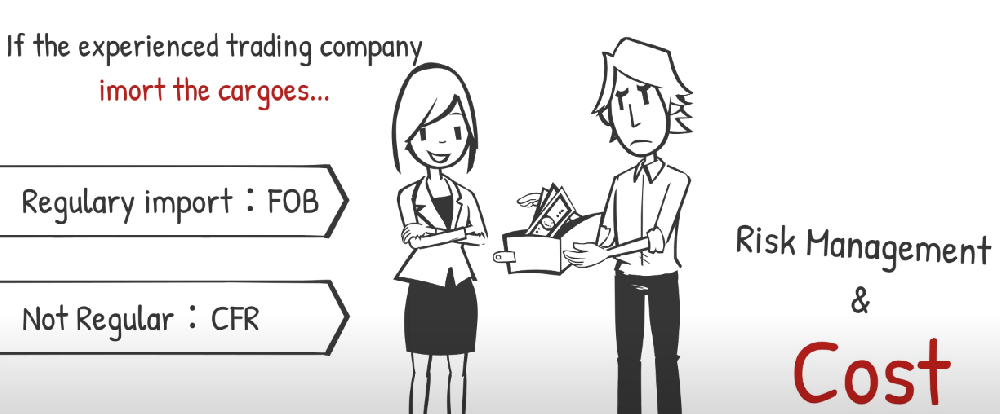
About FOB & FCA - INCOTERMS. Advantage and Disadvantage from exporters & importers point of view.
FCA Clause [FAQ, Analysis & Tips]
When it comes to international trade, the FCA (Free Carrier) clause is one of the most common Incoterms you'll encounter. Whether you're a seasoned pro or new to the game, understanding FCA can be a little tricky. But don’t worry — we’ve got you covered! In this article, we’ll break it down, answer frequently asked questions, and provide you with some tips and tricks to navigate this important term. So grab a cup of coffee, sit back, and let’s dive in.
What Is the FCA Clause?
First things first, let’s clarify what FCA (Free Carrier) really means. Under the FCA clause, the seller is responsible for delivering the goods, cleared for export, to a carrier or another party nominated by the buyer at a named place (typically the seller’s premises or another agreed location). The seller's responsibility ends once the goods are handed over to the carrier, and from there on, the buyer assumes responsibility for transport costs, risk, and insurance.
Frequently Asked Questions (FAQ)
1. Who arranges the transport?
Buyer or seller?
Well, this is where things get interesting. The seller is responsible for getting the goods to the nominated carrier. But the buyer controls the freight once it’s with the carrier. So, while the seller may do the hard lifting (logistically speaking), the buyer manages the delivery process after that point.
2. Who pays for export duties and customs clearance?
Seller or buyer?
Under FCA, the seller handles customs clearance for export. They pay for the necessary duties and ensure that the goods are ready to be shipped out of the country of origin. However, once the goods are handed over to the carrier, it’s the buyer’s responsibility to manage the import customs, taxes, and duties in the destination country.
3. What if the goods get damaged during transport?
Risk transfer question!
Here’s the kicker: the risk shifts to the buyer once the goods are delivered to the carrier. So if things go south, it’s the buyer who’s holding the bag (literally, metaphorically, and possibly financially).
4. Where can the "named place" be?
Is it just the seller’s warehouse?
Not necessarily! While many sellers opt to hand over goods at their own premises, the "named place" could be any location where the buyer and seller agree to meet. It could be a freight terminal, a port, or even a warehouse. Just make sure it's clearly spelled out in the contract.
Key Points to Remember
When using the FCA clause, it’s crucial to understand a few key aspects:
| Responsibility | Seller | Buyer |
|---|---|---|
| Transport | Arranges for goods to be delivered to carrier | Takes responsibility after delivery to carrier |
| Customs Clearance (Export) | Handles export clearance and duties | Takes no responsibility for export clearance |
| Risk | Retains risk until goods are handed to carrier | Assumes all risk after goods are handed over |
| Costs | Pays for export clearance, local transport to carrier | Pays for shipping, import duties, and customs clearance |
Tips for Managing FCA
Here are some tips and tricks to make FCA work smoothly for you:
Agree on the "Named Place" Up Front
Make sure the "named place" where goods are delivered is specified in your contract. Is it the seller’s warehouse or a nearby transport hub? The clearer, the better.Choose Your Carrier Wisely
Under FCA, the seller is handing over goods to the carrier. So, the choice of carrier matters. Be sure to work with reliable, trusted carriers to avoid any unpleasant surprises.Consider Insurance
Since the risk transfers to the buyer once the goods are handed to the carrier, it’s a good idea for the buyer to consider transport insurance. Better safe than sorry!Communicate with Your Partner
Since FCA involves collaboration between the buyer and the seller, keep the lines of communication open. Share timelines, updates, and responsibilities — because no one wants a last-minute scramble at the delivery point!
Final Thoughts
The FCA clause is relatively straightforward, but it can sometimes cause confusion due to the split responsibilities between buyer and seller. As long as you understand who does what and when the responsibility shifts, you’ll be able to navigate this term with confidence.
So there you have it — your ultimate guide to the FCA clause. Now, whether you're the buyer or the seller, you can approach FCA like a pro, and maybe even throw in a little humor when negotiating terms. Just remember: clarity, communication, and understanding are the keys to successful trade.
Bonus Tip: Always consult with an expert if you’re ever unsure. There's no shame in asking for help — trust us, even the most experienced traders sometimes get stumped by complex shipping terms.
Happy trading, and may your goods always arrive safe and sound (and with minimal paperwork)!