How To Ship From China/Alibaba To Amazon FBA – The Ultimate Guide
Tips for Shipping from China to Amazon FBA Warehouse: The Ultimate Guide
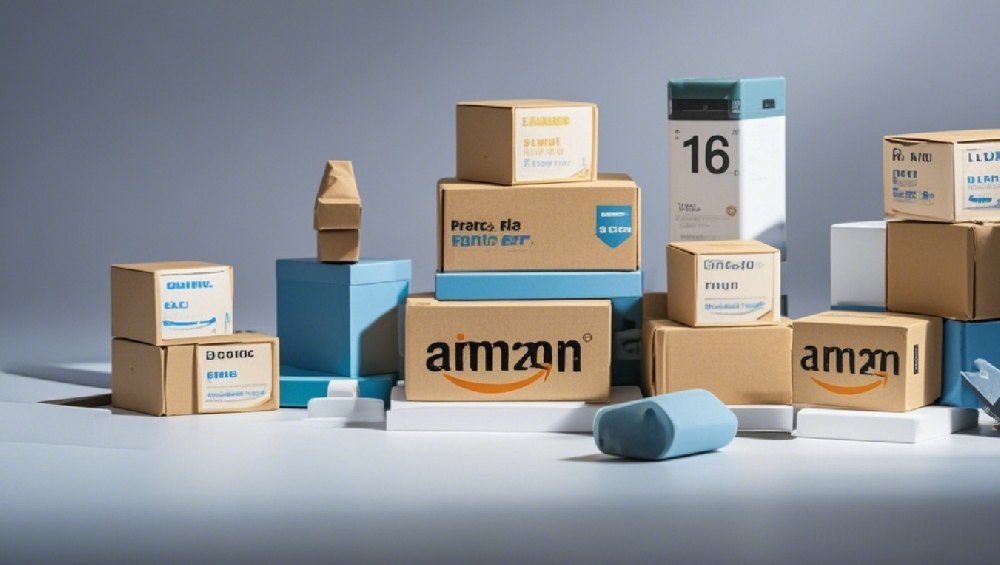
Shipping your products from China to Amazon FBA (Fulfillment by Amazon) can feel like navigating a maze, but with the right steps and some strategic thinking, you can avoid the stress and save time. Whether you're a first-time seller or a seasoned pro, this guide will walk you through the process, offer actionable solutions, and throw in a little humor along the way. After all, shipping doesn’t have to be all spreadsheets and customs forms, right?
1. Understand Amazon FBA Requirements
Before you even start thinking about shipping, it's essential to understand Amazon’s FBA guidelines. These rules are non-negotiable, and if you ignore them, you’ll end up with a shipment rejection or worse, your inventory being delayed. So, let’s break it down:
Amazon FBA Shipment Guidelines
Product Labeling: Every unit must be labeled with Amazon’s barcode (FNSKU). If you don’t label your products correctly, Amazon will charge you extra fees to do it for you.
Product Preparation: Make sure your products are prepared according to Amazon's specific requirements, such as poly-bagging, bubble wrapping, or bundling.
Shipping Plan: You must create a shipment plan in your Amazon Seller Central account, detailing the products you're sending and the quantity.
Packaging Requirements: Each box should be sealed securely, and you need to include a packing list. Make sure boxes are in good condition; this isn’t the time for cardboard that looks like it’s been through a tornado.
Pro Tip: Don’t skip the Seller Central prep step! It’s your golden ticket to ensuring everything goes smoothly.
2. Select the Right Shipping Method
Now that you're familiar with Amazon’s rules, let’s talk logistics. Shipping from China to an Amazon FBA warehouse involves two main options: air freight and sea freight. Both come with their own advantages and drawbacks, so let’s take a closer look:
| Shipping Method | Speed | Cost | Best For |
|---|---|---|---|
| Air Freight | Fast (5–7 days) | Expensive ($5–$10/kg) | Small, high-value items, time-sensitive products |
| Sea Freight | Slow (30–40 days) | Affordable ($1000–$2000/TEU) | Large, bulk shipments, non-urgent goods |
Solutions:
Air Freight: If you have small quantities of high-value goods or need to meet an urgent sales deadline, air freight is the way to go.
Sea Freight: For large shipments of non-time-sensitive products, sea freight is more budget-friendly. You’ll save money, but patience is key as your goods slowly make their way across the globe.
If you're unsure, ask yourself: "How urgently do I need my products in Amazon’s hands?" If the answer is “yesterday,” air freight is your best bet.
3. Choose a Reliable Freight Forwarder
Working with a reliable freight forwarder is crucial for making your shipping process smoother and more cost-effective. They’ll handle much of the logistics for you, including booking cargo space, negotiating with carriers, and navigating the complex customs process.
How to Choose the Right Freight Forwarder:
Experience with Amazon FBA: Make sure your freight forwarder understands Amazon’s requirements, like labeling, packaging, and shipment routing. A seasoned forwarder will know the ins and outs of Amazon's system.
Shipping Costs: Get quotes from multiple forwarders and make sure the price is competitive. You don’t want to break the bank on shipping.
Tracking and Communication: Your freight forwarder should offer tracking services and provide regular updates on the status of your shipment. Communication is key—consider them your logistics partner.
Pro Tip:
Look for freight forwarders with a global network. They'll have relationships with trusted carriers and help you avoid common shipping mistakes.
4. Customs Clearance: Don’t Let It Derail Your Plans
Ah, customs—the part that can make or break your shipping schedule. But don’t worry, we’ve got your back. The key is preparation. Here’s what you need to know about clearing customs when shipping from China to the U.S. for Amazon FBA.
Customs Documents You’ll Need:
Commercial Invoice: A list of goods being shipped with their value.
Packing List: Describes the contents of each box.
Bill of Lading: A contract between you and the shipping carrier (for sea freight).
Customs Declaration: A form that provides details about the goods and their value.
Pro Tip: Work with a customs broker if you're not familiar with the process. It’s like having a translator who speaks the language of customs!
5. Amazon FBA Labeling and Packaging
Amazon is very specific about how your products should arrive at their warehouse. If you fail to follow these guidelines, you’ll either face extra fees or your shipment could be rejected. Here’s a checklist to make sure your products arrive FBA-ready:
FBA Product Labeling:
FNSKU Barcode: Each individual product needs an FNSKU label (Amazon’s unique identifier). You can generate this in Seller Central and print it yourself or pay Amazon to do it for you.
Label Placement: Make sure labels are clearly visible and not covering any important information, like product features or expiration dates.
Packaging Requirements:
Poly Bags: If your product is small or needs protection, it should be in a clear poly bag with a suffocation warning label.
Box Size and Weight: Amazon has size and weight limits for boxes and pallets. Make sure you follow these rules to avoid extra fees.
Unit Quantity per Box: Ensure you have the correct number of units per box (Amazon usually specifies this).
| Packaging Rule | Requirement |
|---|---|
| Poly Bag Size | Bags must be at least 6x9 inches for small items |
| Carton Size | Max dimensions: 25" x 20" x 15" |
| Box Weight | Max box weight: 50 lbs |
Solution:
Label your products correctly and follow Amazon’s packaging guidelines to avoid extra charges. This isn’t the time to get creative with how you package things—Amazon has a “no-nonsense” approach.
6. Track Your Shipment to Amazon
Once your goods are on their way, tracking is crucial. You don’t want to be left in the dark, wondering where your shipment is. Here’s how to track your shipments effectively:
Sea Freight Tracking: This can be a bit slower, but most sea freight companies provide tracking numbers. Check in regularly to get updates.
Air Freight Tracking: Air shipments usually come with real-time tracking. Make sure you’re monitoring it closely, especially if you’re shipping to meet a specific sales goal or event.
Pro Tip: Set up tracking alerts with your freight forwarder. This way, you’ll get updates sent directly to your phone or email, and you can avoid the dreaded “lost shipment” surprise.
7. Troubleshooting Common Shipping Issues
Even with the best planning, things don’t always go as expected. Here’s what to do if things go awry:
Shipping Delays: Weather, customs, or logistical issues can delay shipments. Keep in constant communication with your freight forwarder and stay updated.
Damaged Goods: Always purchase insurance for your shipment. If something arrives damaged, take photos and file a claim. Don’t just sit there—get on it!
Incorrect Labeling: If you get a warning about incorrect labeling, don’t panic. Amazon’s customer service can help guide you through the process to correct it.
Pro Tip: Be proactive about potential problems. Stay on top of your shipments, track regularly, and communicate with your freight forwarder. Think of them as your partner in crime—if the crime is a missing package!
Conclusion
Shipping from China to Amazon FBA doesn’t have to be a headache. By following these tips, choosing the right shipping method, and working with reliable partners, you’ll have your products at Amazon’s warehouse and ready to sell in no time. The key is preparation—so start early, double-check everything, and keep a cool head when things don’t go exactly as planned.
And remember, you’re not just a seller—you’re a logistics wizard in the making. Happy shipping! 🚚✨
Got any questions or shipping stories? Drop them below! Let’s keep the conversation going! 😄