HOW TO START AN IMPORT EXPORT BUSINESS IN SAUDI ARABIA
What Type of Boats Does Saudi Arabia Use to Export?
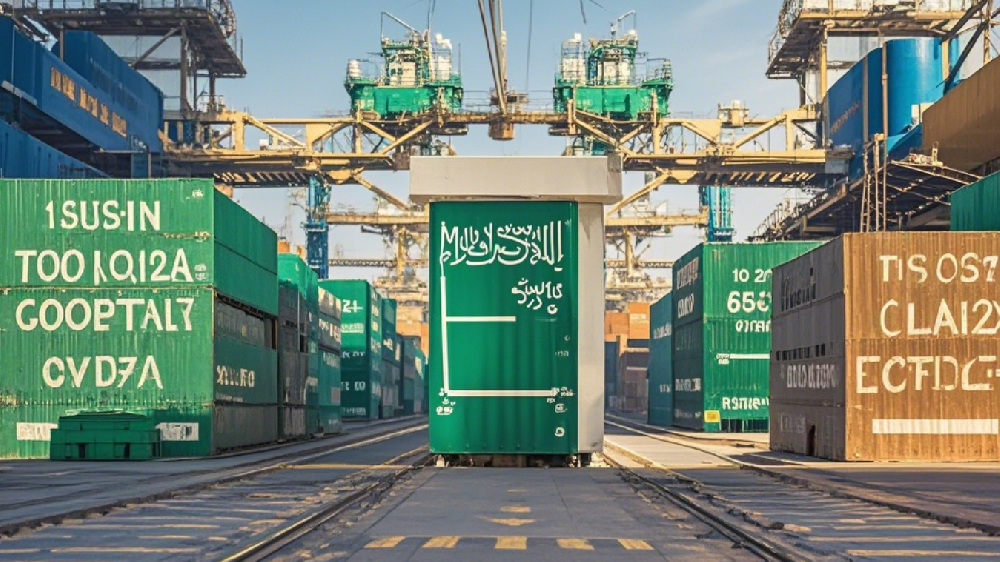
When you think of Saudi Arabia, the first images that come to mind might be vast deserts, towering skyscrapers, and endless stretches of oil fields. But what about the sea? While Saudi Arabia may be known for its oil exports, it’s also a significant player in global trade by sea. The Kingdom’s maritime industry is booming, and understanding the types of boats and vessels used for exporting goods can give you a clearer picture of how this desert kingdom navigates the waters of international commerce.
The Major Types of Boats and Vessels Used for Export
Saudi Arabia has access to both the Red Sea and the Arabian Gulf, giving it strategic maritime routes for exporting goods. The vessels used for these operations vary depending on the type of cargo being transported and the distance. Let’s break it down.
1. Tankers (Oil and Gas Export)
Primary Use: Transporting crude oil, natural gas, and refined petroleum products.
Saudi Arabia is one of the largest oil producers in the world, and most of the country’s exports are oil-related. When you think of tankers, think big. These massive ships are essential for transporting oil across the seas. There are two main types of tankers used:
Very Large Crude Carriers (VLCCs): These behemoths are the workhorses of oil transport. With a capacity of up to 2 million barrels, they are capable of covering long distances and are often seen crossing the Red Sea to the Mediterranean or heading toward Europe and Asia.
Suezmax Tankers: A bit smaller than VLCCs but still enormous, Suezmax tankers are specifically designed to navigate the Suez Canal. They typically carry between 120,000 and 200,000 tons of crude oil or refined products.
Fun Fact: If you ever see a tanker with more oil than some countries produce in a year, you’re probably looking at a Saudi tanker!
2. Container Ships (General Cargo and Manufactured Goods)
Primary Use: Transporting goods like electronics, textiles, and machinery.
While oil tankers dominate the waters, container ships are the unsung heroes when it comes to exporting other goods. Saudi Arabia uses a significant number of container ships to export manufactured goods such as electronics, automotive parts, and even food products. These ships come in different sizes, but they all share one thing: efficiency.
Feeder Ships: Smaller container vessels that serve as feeders to larger ships. These smaller boats collect cargo from local ports (like those in Saudi Arabia) and deliver it to major hubs for international transport.
Post-Panamax: These are the big guys! With capacities of over 10,000 TEUs (twenty-foot equivalent units), they are designed to pass through the expanded Panama Canal and can carry a vast range of cargo.
Did You Know? The world’s largest container ships are nearly as long as the Empire State Building is tall. That’s one serious way to ship a laptop!
3. Roll-on/Roll-off (RoRo) Vessels (Cars and Heavy Equipment)
Primary Use: Transporting cars, trucks, and heavy machinery.
Saudi Arabia also exports a significant amount of vehicles, particularly to markets in Africa and the Middle East. For this, RoRo vessels are the go-to solution. These vessels are designed to transport vehicles that are driven on and off the ship on their own wheels.
Modern RoRo Vessels: These ships are equipped with ramps that allow vehicles to be driven on and off with ease. They often carry everything from SUVs to construction equipment.
Fun Fact: If you’ve ever seen a car just roll off a ship like it’s no big deal, that’s a RoRo vessel doing its thing. No forklifts needed!
4. Bulk Carriers (Grain, Chemicals, and Other Raw Materials)
Primary Use: Transporting bulk commodities like grain, chemicals, and minerals.
While not as glamorous as tankers, bulk carriers are crucial for transporting raw materials like phosphate, grains, and fertilizers. Saudi Arabia has large industrial projects, including agriculture and petrochemicals, which require these materials to be shipped across the globe.
Handysize Bulk Carriers: These smaller bulk carriers (up to 40,000 tons) are ideal for port access in areas with shallow waters and are often used to carry grains or chemicals from Saudi Arabia to neighboring regions.
Panamax Bulk Carriers: Larger than Handysize, these ships can carry up to 80,000 tons of materials and are frequently seen in global shipping routes.
Quick Overview of Key Export Vessels
| Vessel Type | Primary Use | Typical Size | Key Export |
|---|---|---|---|
| Oil Tankers (VLCC & Suezmax) | Crude oil, refined petroleum | Up to 2 million barrels | Oil & Gas |
| Container Ships | Electronics, machinery, textiles | 10,000+ TEUs | Consumer goods, machinery |
| RoRo Vessels | Cars, trucks, heavy equipment | Varies by model | Cars, construction equipment |
| Bulk Carriers | Grains, chemicals, raw materials | 40,000 - 80,000 tons | Grains, fertilizer, chemicals |
Final Thoughts: Why Boats? Why Saudi Arabia?
It’s easy to overlook the role of boats in global trade, especially when you think of a desert country like Saudi Arabia. But let’s face it—without boats, Saudi Arabia wouldn’t be able to sell its world-famous oil or send all those shiny cars to markets abroad. The Kingdom’s maritime capabilities are at the heart of its economy, and they are backed by an impressive fleet of tankers, container ships, and bulk carriers.
So, next time you hear about a boat making waves in the business world, remember: Saudi Arabia is riding those waves with style—one massive tanker at a time.